
Dynamic EQ explained
Equalization, or EQ, has been around for over 100 years. It’s a tool to sculpt frequencies and shape an overall sound. It is an essential piece of equipment. But, it’s also quite static. Set it and forget it.
Dynamic EQ essentially does the same thing, sculpting frequencies, but it does so in a flexible way. In this article the tool is explained using FabFilter Pro-Q 4.
Dynamic EQ moves the standard equalization tool into the time domain, as the effect is only applied once the threshold is reached. The way in which it reacts can therefore be shaped with an attack and release control.
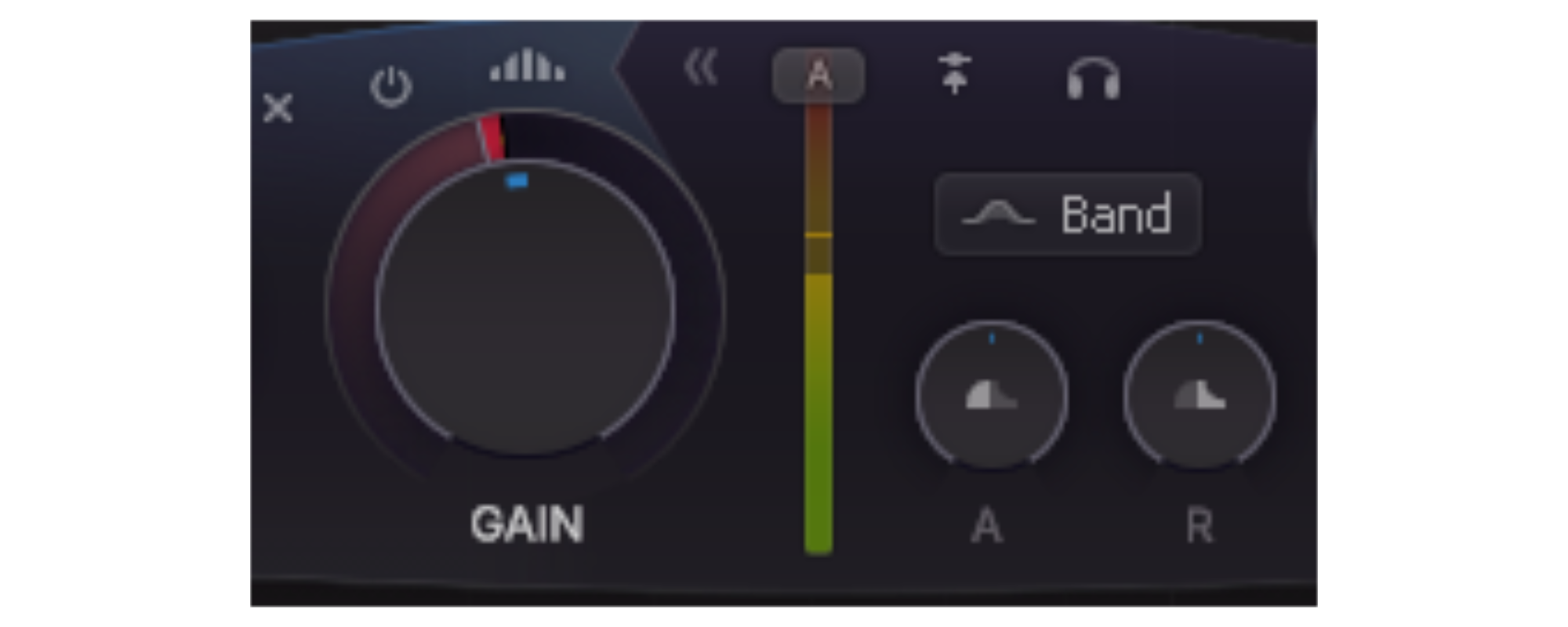
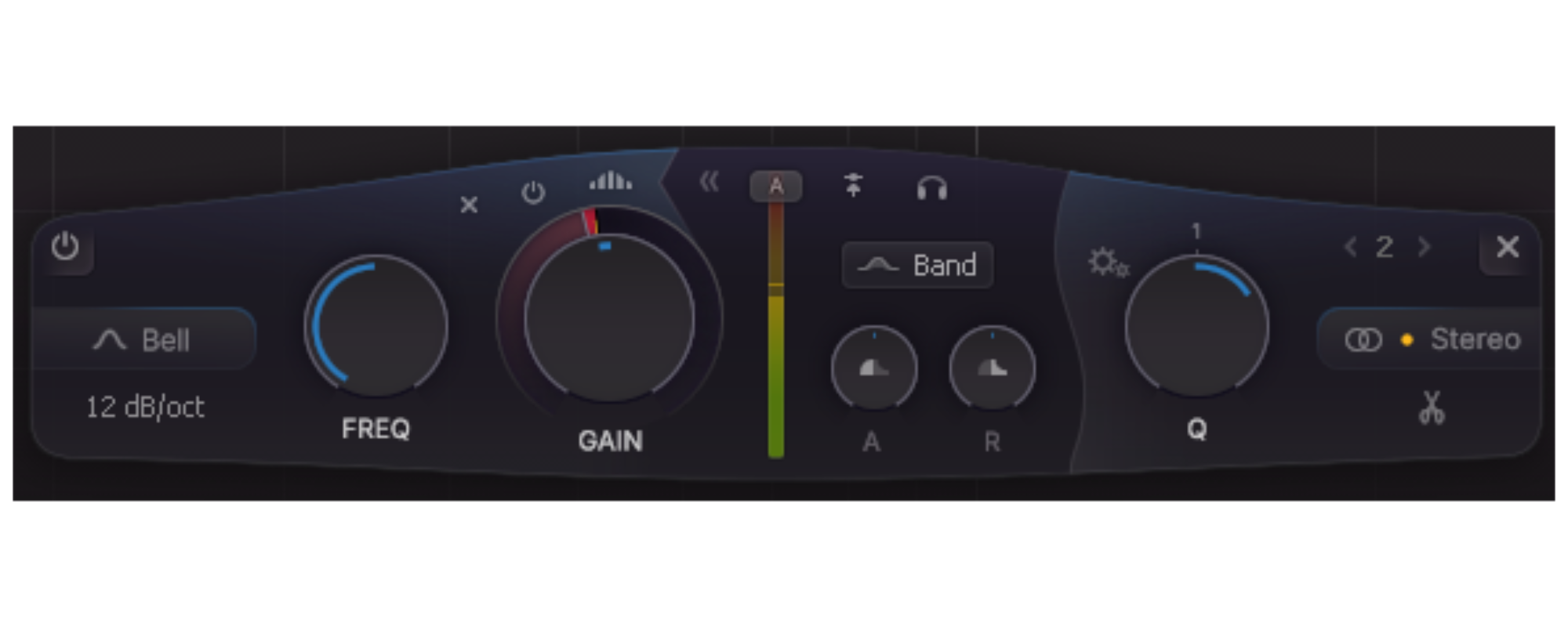
We see this in Pro-Q 4. When enabling dynamic EQ, there is a fold-out menu with a threshold slider, Attack and Release control.
With these controls you can control when and how the EQ reacts to the incoming signal. For example, if you pull the threshold slider down too much it will effectively become a static EQ, as there is no time for the EQ curve to reset to 0.
The time domain aspect of dynamic EQ takes a small mindset switch from regular EQ. But once you get a feeling for it, it’s really intuitive.
To be honest, while it is possible to control the timing of dynamic EQ I personally use the default settings all the time. Even for the threshold, I’d rather change the volume going into the plugin rather than change the threshold setting.
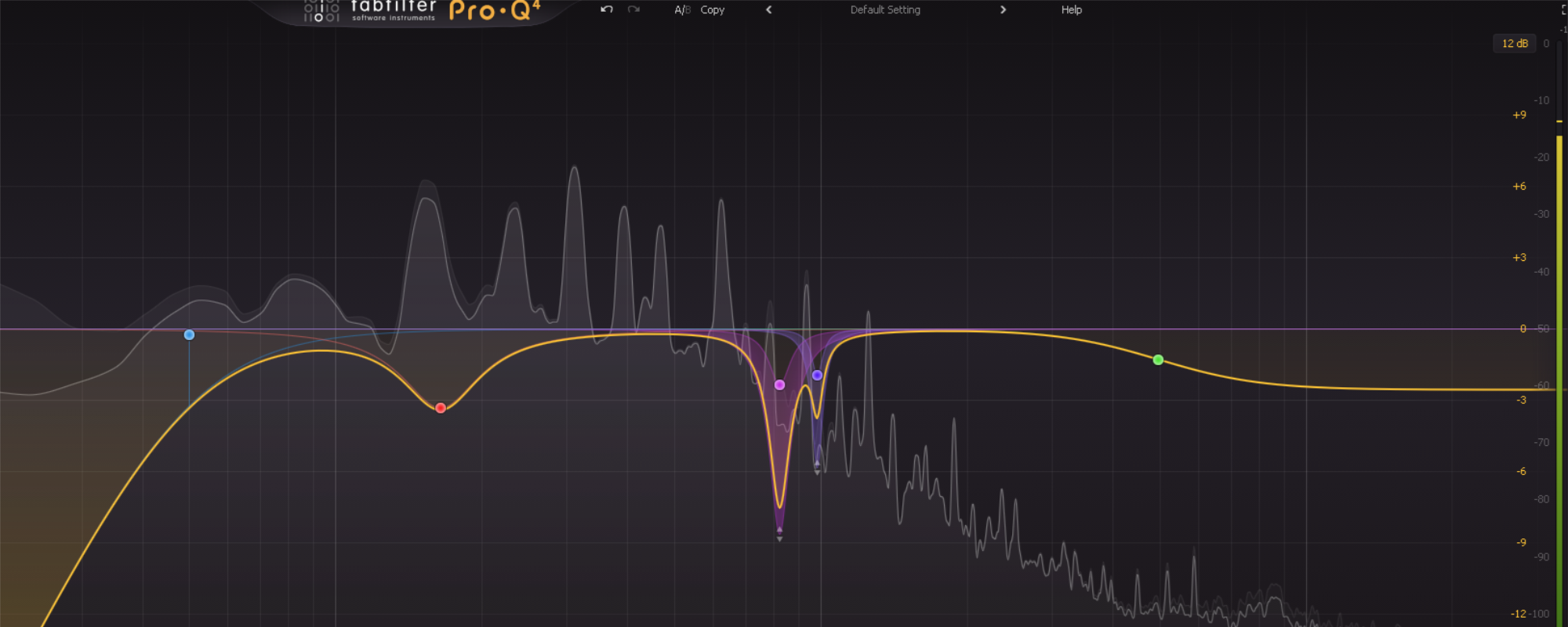
The reason why I chose the FabFilter Pro-Q 4 to explain dynamic EQ is because you can visually see what the effect is doing and when.
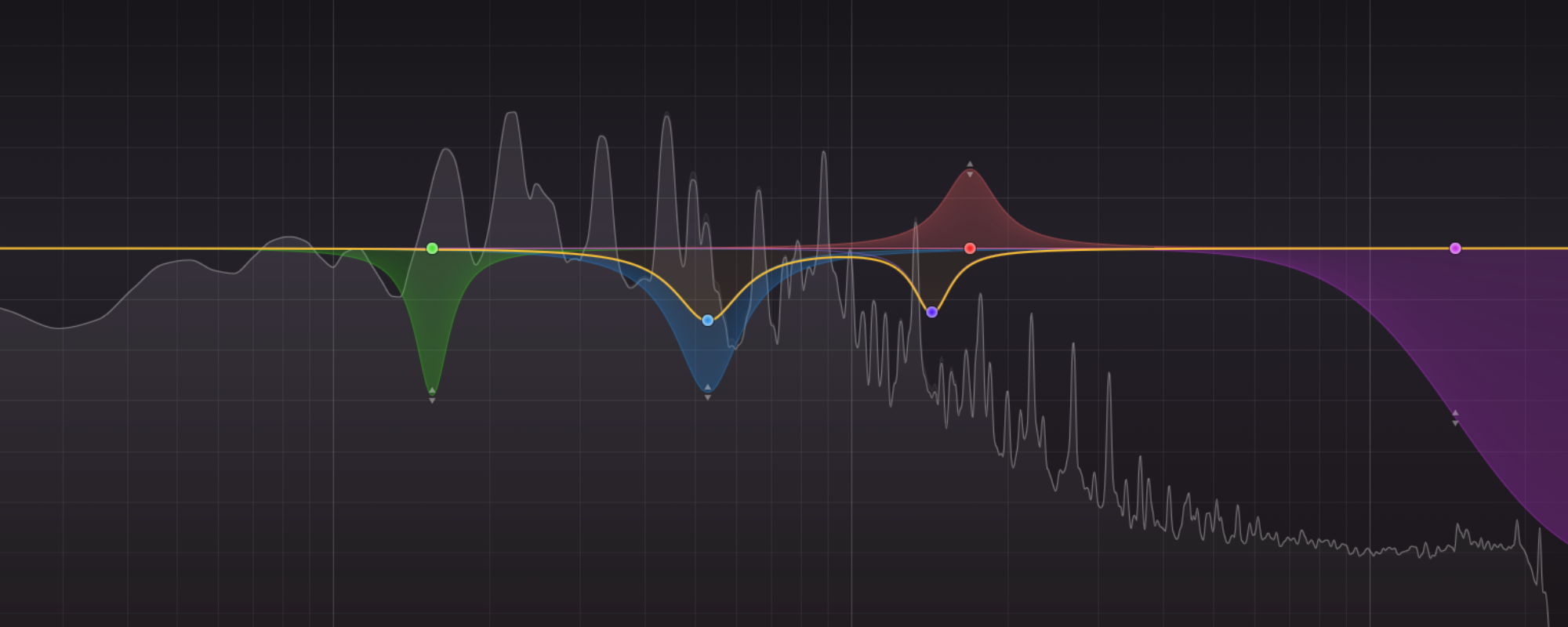
The lightly coloured fields display the maximum range of the dynamic EQ, the yellow line displays the actual amount of effect applied.
When should you use dynamic EQ and what are some use-cases?
Unless there are unwanted frequencies throughout the entire sound or you use EQ to sculpt a signal in a certain way, dynamic EQ is always the better choice.
As an experienced engineer on piano recordings, dynamic EQ is my go-to in reducing resonant frequencies. But I don’t want to scoop out, for example, all low end. I just want to target built up resonancies. An even more advanced application of dynamic EQ in this regard is to use OekSound Soothe2. An effect I’d call dynamic resonanse suppression, which effectively is dynamic EQ.
Another great use-case is reducing sibilance in vocals. A de-esser is nothing else than a dynamic EQ!
A third use-case is to help an instrument cut through a mix at certain frequencies, without boosting the entire signal. For my piano recordings I like to add dynamic EQ around 2.5 kHz, making the higher registers sparkle just a tad more and sets them apart from the powerful low-end.